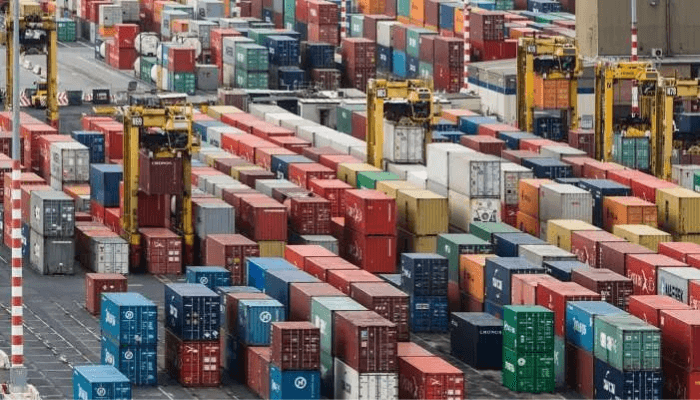
Negotiations between the Federal Government and shipping companies over a proposed increase in shipping tariffs have ended in a deadlock, following fresh demands by operators for higher charges.
The talks, convened in Lagos by the House of Representatives Committee on Shipping Services, were aimed at resolving disputes after the Nigerian Shippers’ Council (NSC) suspended its earlier plan to implement a 30 per cent tariff hike and opted for wider stakeholder consultations.
However, discussions broke down as shipping firms rejected the proposed 30 per cent increase, insisting that the adjustment falls short of current economic realities.
Operators cited rising inflation, foreign exchange volatility, and increasing operational costs as reasons the existing tariff structure is no longer sustainable.
Speaking after the meeting, Chairman of the Committee, Abdusamad Dasuki, said a new round of engagements would be held within two weeks to address unresolved issues.
He noted that stakeholders, including the NSC and shipping firms, had been directed to identify grey areas and develop a clear framework with timelines for further discussions.
“We expect that at the next meeting, there will be a clear structure to guide the process towards implementation,” Dasuki said, adding that a new date for any tariff adjustment would be announced after consultations.
Earlier, NSC Executive Secretary, Pius Akutah, explained that although the council had approved a 30 per cent increase, it was put on hold following resistance from stakeholders.
He maintained that a review remains necessary, noting that tariffs in the sector have not been adjusted for over two years. He added that the council proposed a phased approach, with the 30 per cent increase serving as an upper limit.
According to him, while most stakeholders agree on the need for a review, disagreements persist over the scale, with shipping companies pushing for higher rates.
Also reacting, Chairman of the Shipping Association of Nigeria, Boma Alabi, said the meeting yielded little progress and called for a transparent and consistent tariff review mechanism similar to those in sectors like telecommunications and energy.
She also criticised what she described as inconsistent signals from the regulator, particularly regarding individual tariff approvals granted to some operators.
Industry players warned that without a significant review, service delivery and operational efficiency could decline, with some stakeholders reportedly advocating increases beyond the regulator’s initial proposal.
The impasse underscores ongoing tensions in Nigeria’s maritime sector, as regulators and operators struggle to balance economic pressures with the need for efficient and competitive port services.
The dispute follows recent protests by freight forwarders in Lagos, who opposed increases in shipping charges and temporarily disrupted operations at major shipping company offices in Apapa.
The NSC had earlier assured stakeholders of comprehensive consultations before implementing any tariff adjustments.

- AY recalls Asake’s 2019 plea for music support - September 8, 2026
- Bandits kill KADVS personnel, abduct Kaduna lawmaker’s brother - September 8, 2026
- Benue: Why Obi’s visit was blocked — Commissioner - September 8, 2026