

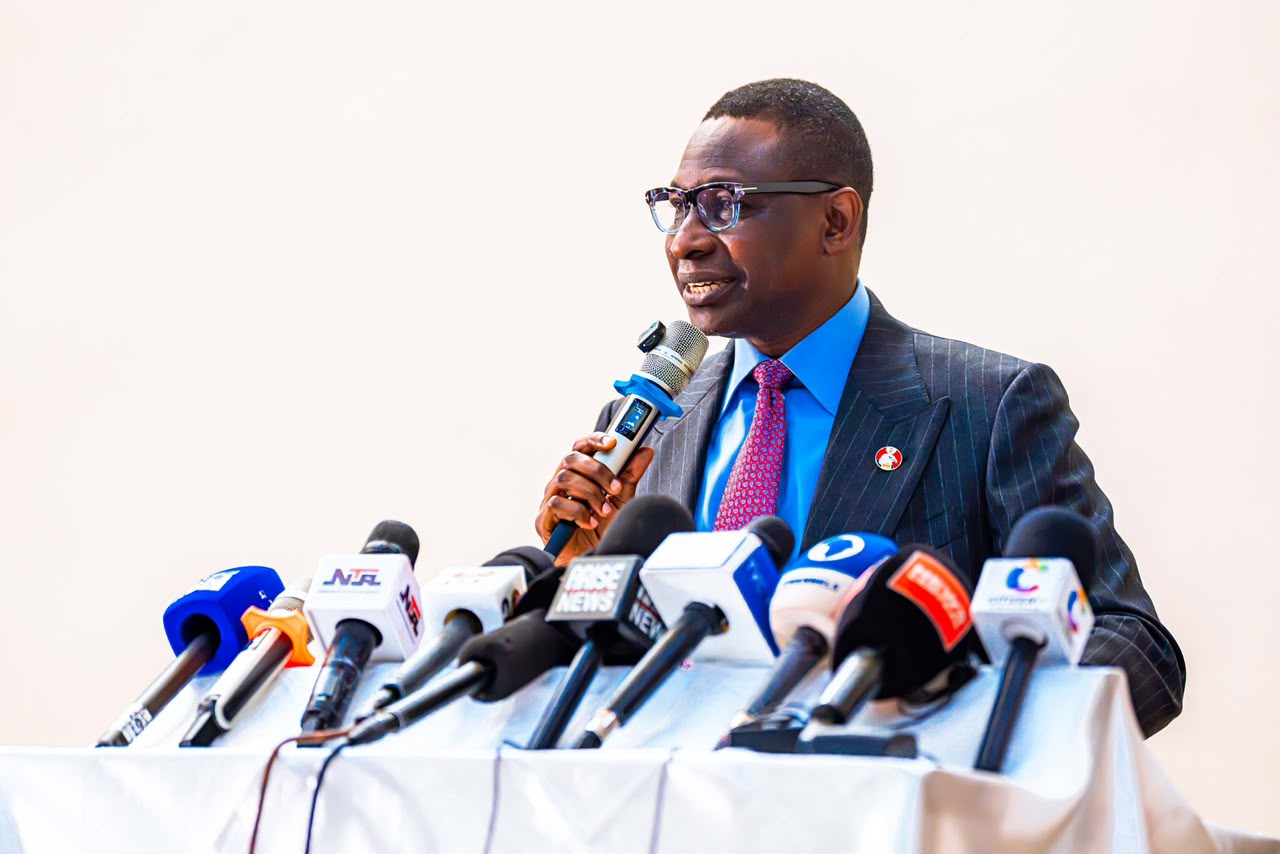
The Economic and Financial Crimes Commission (EFCC) has expressed concern over the involvement of some religious leaders in financial crimes in Nigeria.
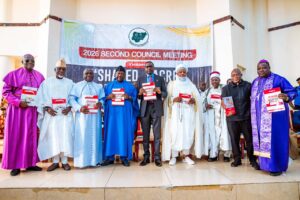
The EFCC Chairman, Ola Olukoyede, made this known at the 2026 Second Council Meeting of the Nigeria Inter-Religious Council (NIREC) in Abuja on Wednesday, September 23, 2026.
The EFCC chairman noted that pastors, imams, bishops, sheikhs, and other religious leaders were among persons investigated, prosecuted, and convicted for such offences.
Olukoyede added that the commission’s case files contained numerous suspects identified by religious titles, with some already convicted and serving prison sentences.
“So many case files, pastor, imam indicted for financial crimes. And some of them are even badly convicted, and they are in jail,” Olukoyede said.
Olukoyede noted that despite their convictions and imprisonment, some of the individuals continued to be addressed by their religious titles.
“And while in jail, they still refer to them as pastor and imam,” the EFCC boss said.
Olukoyede therefore advocated a review of the manner in which religious titles were conferred on individuals, saying titles should not become a shield against accountability.
Olukoyede added: “I advocated for a review of the titles we give to men of God. Maybe, if it is possible for us to remove those titles, pastor and imam.
“If it is possible for us to remove that title: pastor, Imam, bishop, sheik. And you know what? I have my case files full of these titles.”
EFCC unveils interfaith manual, says corruption has no religion
The EFCC chairman said the development required serious reflection on the qualities that should define a genuine man of God.
He said: “So, it is something for us to really think about. Maybe, we are just to recognise them as men of God.
“Because the spirit of God is by their fruits, not their appearance. Not what we call ourselves. It is by the fruits.”
Olukoyede, however, challenged Nigerians to consider whether the depth of their religious commitment was sufficiently reflected in the integrity of public and economic life.
“Yet, we must have the courage to ask ourselves, has the depth of our religious profession been sufficiently reflected in the integrity of our public and economic life?” he asked.
Olukoyede stressed that financial crime had no religion or ethnicity, noting that both Christians and Muslims were affected whenever public resources were stolen or misappropriated.
The EFCC boss also urged religious communities not to provide moral shelter for corruption, stressing that neither religious, ethnic nor charitable considerations should be used to legitimise or cleanse proceeds allegedly obtained through the suffering of others.

- ‘We’ve prosecuted pastors, imams’: EFCC raises concern over religious leaders’ involvement in financial crimes - September 24, 2026
- Oil prices slip as Iran announces diplomacy to end war - September 24, 2026
- Stock market extends bullish run as investors gain N374bn - September 24, 2026