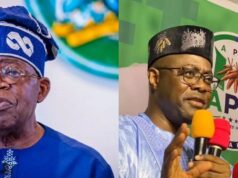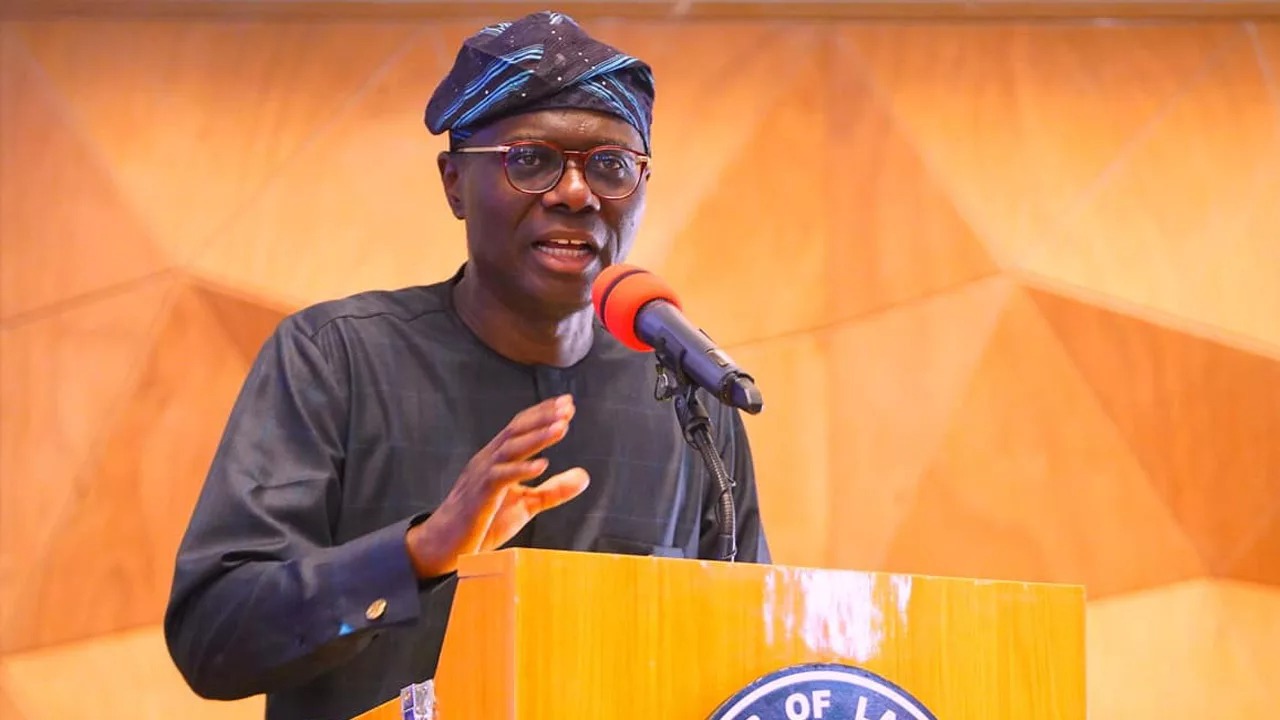
Lagos State Governor Babajide Sanwo-Olu has defended President Bola Tinubu’s decision to remove fuel subsidy, saying the reform was beginning to yield positive results despite the initial economic difficulties faced by Nigerians.
The subsidy removal, announced by Tinubu during his inauguration on May 29, 2023, has remained a major subject of national debate, with supporters describing it as a necessary economic reform and critics highlighting its impact on the cost of living.
The issue recently gained renewed attention following a promise by former Vice President and African Democratic Congress (ADC) presidential candidate, Atiku Abubakar, to restore the subsidy if elected in the 2027 general election.
However, Sanwo-Olu said the subsidy regime had become a major drain on government resources, preventing funds meant for critical sectors such as roads, education and healthcare from reaching their intended purposes.
The governor, who spoke at the 7th Freedom Online Yearly Lecture held in Lagos, where he addressed the theme, “2027 Elections: Economy, Security and Nigeria’s Future,” on Thursday, September 3, 2026, said while the removal of subsidy had imposed hardship on citizens, the success of any reform should be measured by its long-term impact rather than the immediate discomfort it causes.
Sanwo-Olu said: “The subsidy was not removed because anybody enjoyed removing it. It was removed because it had become a hole in the national purse through which the money for roads, schools and hospitals was draining away, and because much of that money was never reaching the ordinary motorist it was supposed to help.
“In the 2023 election, every major candidate promised to remove it. Only one of them was in a position to do it, and he did it on his first day in office.
“I will not stand here and tell you that it has been painless. It has not. Lagosians have felt it at the pump, at the market, and in the price of a bag of rice, and any governor who tells you otherwise has not been listening to his own people.
“But the measure of a reform is not whether it hurts. It is whether it heals. And the evidence that this one is healing is now arriving, quarter by quarter.
Sanwo-Olu cited recent economic indicators, including the National Bureau of Statistics’ report showing that Nigeria’s economy grew by 4.43 per cent in the second quarter of 2026, up from 3.89 per cent in the first quarter.
Sanwo-Olu said agriculture recorded 4.39 per cent growth, while the services sector expanded by 4.6 per cent during the period.
Atiku challenges Tinubu over $460,000 US forfeiture
He added that the country’s external reserves had risen to $53 billion, the highest level since January 2009, while inflation had reduced from its peak of about 35 per cent in 2024 to 15.9 per cent in June.
The governor also highlighted improved foreign exchange inflows, noting that Nigerians in the diaspora sent home $947 million through official channels in July, the highest monthly remittance figure recorded in the country’s history.
“These are not my numbers. They belong to the National Bureau of Statistics and the Central Bank of Nigeria, and every journalist in this hall can check them,” Sanwo-Olu said.
Sanwo-Olu stressed that the Tinubu administration would continue with its economic reforms while ensuring that the benefits reach Nigerians who had endured the impact of the policies.
“For us in the APC, the position that follows is a simple one. We intend to stay the course, to deepen the reforms, and to make sure that the benefits reach, quickly and visibly, the people who bore the cost,” he added.

- Madueke fires Arsenal to victory over Nottingham Forest in Premier League - October 18, 2026
- ‘You’re playing politics with misleading statements’: Presidency knocks Makinde over N250bn NLNG dividend claim - October 18, 2026
- EPL: Leeds deny Man United morale-boosting win as Brighton thrash Crystal Palace to go second - October 18, 2026