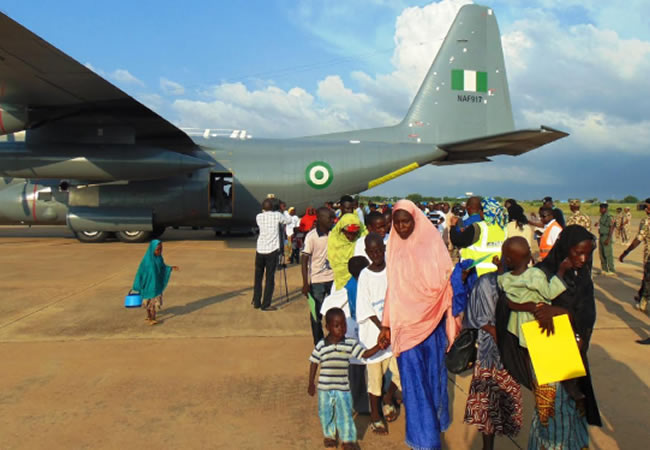
Nigeria recorded a 21 per cent increase in newly arrived asylum seekers in the first quarter of 2026, with 322 additional individuals entering the country, according to data from the United Nations High Commissioner for Refugees (UNHCR).
Despite the rise in arrivals, the overall number of refugees and asylum seekers declined during the same period, largely due to a significant reduction in the backlog of unregistered individuals.
Data from UNHCR dashboards, compiled in collaboration with the National Commission for Refugees Migrants and Internally Displaced Persons (NCFRMI), showed that 3,613 people were cleared from the registration backlog between December 2025 and March 2026.
The total refugee and asylum-seeker population dropped from 142,064 in December 2025 to 138,900 by March 2026—a decrease of 3,164 individuals. Meanwhile, the number of asylum seekers awaiting status determination rose steadily from 1,528 at the end of December to 1,850 by March.
The backlog of pending registrations also declined sharply, falling from 16,672 in December to 13,059 by March, indicating improved processing capacity.
The ongoing conflict in Cameroon’s Anglophone regions remains the primary driver of refugee inflows into Nigeria.
As of March 2026, Cameroonians accounted for 119,641 individuals—about 86 per cent of the total refugee population.
The crisis, now in its ninth year, has displaced hundreds of thousands internally and left millions in need of humanitarian assistance.
Refugees are largely concentrated in Nigeria’s border states, with Cross River hosting the highest number at 46,713, followed by Adamawa (44,682), Taraba (15,555), Benue (8,872), and Akwa Ibom (1,907).
The second-largest group of refugees comes from Niger Republic, although their numbers declined significantly during the quarter—from 17,104 in December to 13,449 in March—due to ongoing voluntary return programmes coordinated by UNHCR and the Nigerian government.
Other countries of origin include Syria (1,706), Sudan (1,274), and the Central African Republic (1,036), with the number of represented nationalities increasing from 45 to 47 within the period.
Demographic data shows that women make up 57 per cent of the refugee population, while men account for 43 per cent.
Children under 17 constitute about half of the total, while elderly persons aged 60 and above represent five per cent.
Only 20,423 refugees were living in formal settlements as of March 2026, with the majority residing in host communities across border states. Smaller urban populations are also found in cities such as Lagos, Abuja, and Kano.
Nigeria’s refugee response is coordinated through a multi-agency framework involving NCFRMI, UNHCR, and various humanitarian partners.
The Federal Government has granted Temporary Protection Status to approximately 86,000 Cameroonian refugees, allowing them to remain in the country without undergoing the full refugee status determination process until June 2027.
Commenting on the situation, former Nigerian Ambassador to Singapore, Ogbole Amedu-Ode, urged authorities to balance humanitarian obligations with national security.
While acknowledging Nigeria’s commitment to international refugee conventions, he cautioned that security agencies must remain vigilant to prevent potential infiltration by individuals with harmful intentions.

- INTERPOL identifies 126 terrorist suspects with AI - September 18, 2026
- FG, CBN sign pact on fiscal, monetary policy coordination - September 18, 2026
- Reps probe exclusion of 5,000 NOUN law graduates - September 18, 2026