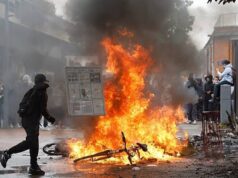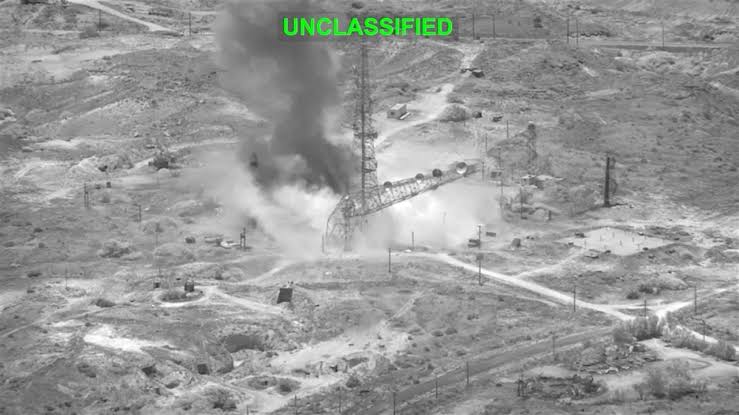
Iran has threatened to adopt a “fully offensive” military posture after negotiations with the United States over a permanent end to the conflict stalled, while Washington has ruled out extending a temporary ceasefire agreement.
A senior Iranian official told Reuters on Monday that Tehran was prepared to escalate military action if diplomatic efforts collapsed, warning that the country could take “timely and precise” action to break what it described as a U.S. naval blockade.
The latest development raises fears of a prolonged conflict between Iran, the United States and Israel, which began after U.S. and Israeli attacks on Iran on February 28.
Hopes for a lasting peace have also faded as negotiations remain deadlocked and oil tanker traffic through the strategic Strait of Hormuz has yet to return to normal.
“Iranian entities must be prepared to escalate tensions in the Strait of Hormuz and the wider region,” the official said, adding that Tehran was ready to make difficult decisions if diplomacy failed.
Under a memorandum of understanding signed on June 17, both countries had until Monday to conclude a comprehensive peace agreement. The deal established a 60-day framework for negotiations covering Iran’s nuclear programme and the lifting of U.S. sanctions.
The agreement, which called for the “immediate and permanent termination of military operations on all fronts,” quickly ran into difficulties over disagreements concerning control of the Strait of Hormuz, a key global shipping route through which about one-fifth of the world’s oil and liquefied natural gas supplies passed before the war.
Paramount seeks $1.9bn bond in legal battle over Warner Bros merger
Speaking to reporters on Monday, U.S. President Donald Trump dismissed the possibility of extending the interim agreement, signalling that Washington was prepared for the current arrangement to expire without a new deal.
Trump had earlier warned Americans during a campaign rally on Friday to expect persistently high fuel prices as the conflict continues.
The war has rattled global energy markets, with benchmark Brent crude reaching as high as $126 per barrel during the fighting before settling at $90.87 per barrel on Monday, more than $2 higher on the day.
In the United States, the conflict has also pushed retail fuel prices higher. According to automotive group AAA, the average cost of gasoline has climbed above $4 per gallon, compared with less than $3 before the outbreak of hostilities, adding economic pressure ahead of November’s congressional elections.

- Elon Musk, Shivon Zilis end relationship after four children - October 2, 2026
- Tinubu to youths: Challenge govt policies, offer better alternatives - October 2, 2026
- Lagos varsity unions threaten strike over 2026 agreements - October 2, 2026