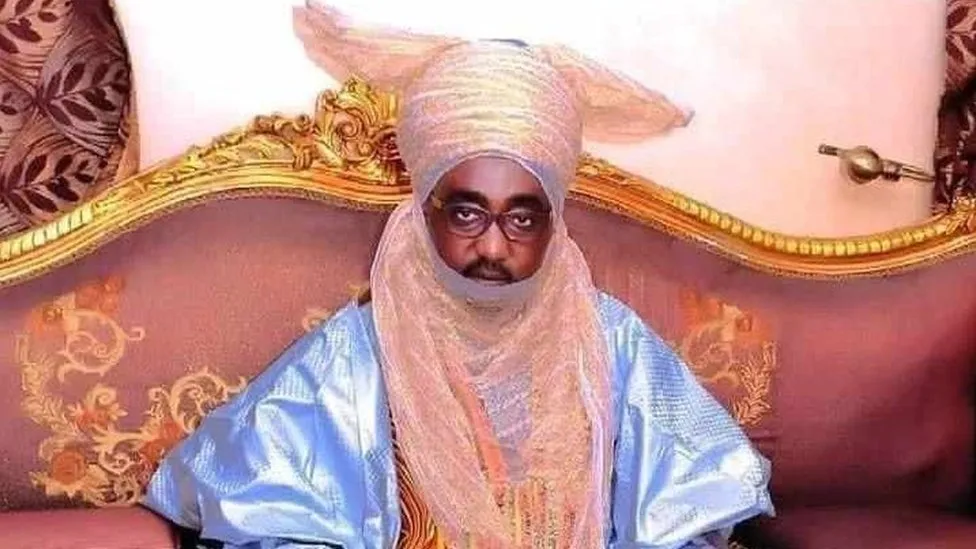
The Emir of Zazzau, Ahmed Nuhu Bamalli, has attributed his modest approach to wealth to the example set by his late father, saying he inherited just N11,000 and five pieces of clothing from him.
Bamalli said his father, the late Magaji Zazzau, held influential positions, including chairman of the Leventis Group, but died without accumulating significant personal wealth.
“My father left nothing. He left only N11,000 and five pieces of clothes behind,” the emir said.

He said his father did not even own a personal car at the time of his death, adding that the vehicle he used belonged to the Leventis Group.
“The only car he had at that time belonged to Leventis Group. He was the chairman of the group. And when he passed on, they dashed it to the family,” Bamalli said.
According to the emir, his father’s attitude towards material possessions influenced his own outlook, particularly during his years in banking, diplomacy and public service.
“I didn’t see any reason why I should accumulate wealth because my father left nothing,” he said.
Bamalli also dismissed suggestions that he built a financial war chest in anticipation of becoming Emir of Zazzau.
He said that before his emergence as emir, the only substantial money in his account came from allowances he received while serving as Nigeria’s ambassador to Thailand and concurrently accredited to Myanmar.
“I didn’t have anything. The only money in my account was the Foreign Service allowances we were given like salaries every month; that’s all,” he said.
When asked if he had deliberately saved money in preparation for the emirship, Bamalli simply replied, “I didn’t have anything.”
The traditional ruler further rejected the notion that wealth could have helped him secure the throne, saying the emirship was beyond financial influence.
“Money cannot fetch you this position,” he said.
Bamalli, who is set to mark six years on the Zazzau throne in October, said he currently has only two houses—one in Zaria and another in Abuja.
He said his priorities as emir were shaped by his understanding of leadership as a responsibility to the people rather than an avenue for personal enrichment.
According to him, he swore by the Quran to uphold fairness and justice in administering the emirate.
“Leadership is not about accumulation, it is not about vanity or flamboyance or anything, it is about service to the people, service to humanity,” he said.
Bamalli said he would rather be remembered for the fairness of his leadership than for the wealth he accumulated while on the throne.
“My prayer is to be remembered as a just leader; that’s all,” he said.

- Pastor Jerry Eze’s church refunds woman’s N1.64m transfer - September 12, 2026
- Bamanga Tukur, ex-PDP national chair, is dead - September 12, 2026
- I inherited N11,000, five clothes from my father — Zazzau Emir - September 12, 2026