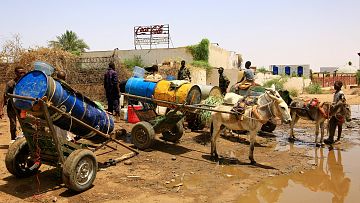
Sudan is grappling with a fast-spreading cholera outbreak, with health officials reporting over 1,000 new cases daily in the capital, Khartoum.
The surge in infections comes as war-weary citizens return to a city ravaged by conflict, where clean water and sanitation are severely lacking.
The outbreak, primarily centred in Khartoum and its twin city, Omdurman, is spreading rapidly due to collapsing infrastructure, overcrowded displacement centres, and limited access to healthcare.
Sudan crisis: JAMB lists conditions for returnee students’ admission
According to Nicolas Jean, head of the Médecins Sans Frontières (MSF) mission in Sudan, the situation is critical.
“The spread is driven by poor hygiene, contaminated water, and limited medical care,” he said.
Cholera has also been confirmed in several other states, including North Kordofan, Sennar, Gazira, White Nile, and Nile River.
The deteriorating conditions are a direct result of Sudan’s ongoing civil war, which erupted in April 2023 between the military and the paramilitary Rapid Support Forces (RSF).
The conflict has killed at least 24,000 people, displaced over 14 million, and crippled essential services.
In March, the military regained control of parts of Khartoum, prompting around 34,000 people to return to a city still scarred by months of warfare.
Many found their homes damaged or destroyed, and clean water remains scarce due to attacks on power plants and the collapse of sanitation systems.
Dr. Sayed Mohamed Abdullah of Sudan’s Doctors Union noted that over 80% of hospitals are no longer functional, and those that remain face severe shortages of electricity, medication, and clean water.
The World Health Organization (WHO) has labeled cholera a “disease of poverty,” emphasizing its link to poor sanitation and unsafe drinking water.
Cholera is caused by ingesting food or water contaminated with Vibrio cholerae and, while treatable, can be fatal within hours if left unattended.
Efforts to contain the outbreak are further hindered by a global shortage of oral cholera vaccines.
The WHO recently reported that its emergency vaccine stockpile has fallen below the minimum threshold of 5 million doses.
Sudan’s cholera outbreak comes amid a global rise in cases fueled by conflict, poverty, and climate-related disasters.
With famine already declared in parts of the country, health experts warn that without urgent international support, the crisis could escalate even further.

- 14-year-old Nigerian wins African Spelling Bee junior championship - March 24, 2026
- Tight security as ICPC arraigns El-Rufai over corruption charges - March 24, 2026
- EFCC raid on Malami’s properties sparks outrage, allegations of lawlessness - March 24, 2026