

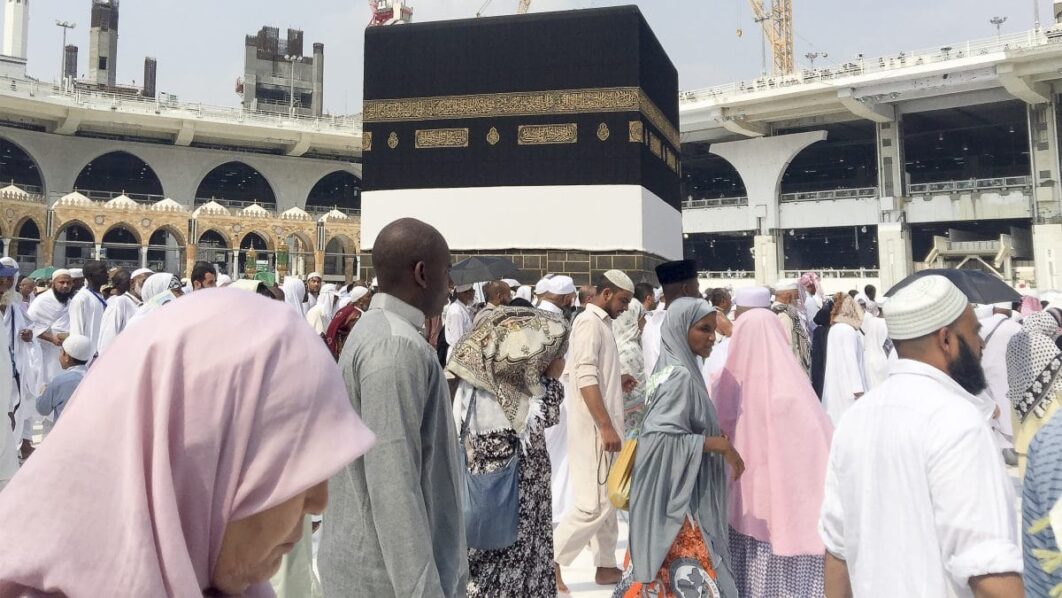
The Chairman of Kaduna State Pilgrims Welfare Agency, Salihu Abubakar, says animal sacrifice has been performed for all pilgrims that paid their Hadaya through the agency.
Abubakar made the clarification on Monday, following widespread complaints among some pilgrims that they had paid Hadaya but no evidence that rams have been slaughtered in fulfilment of their Hajj obligations.
Hadaya is the money that pilgrims pay for animals to be slaughtered on their behalf on the 10th of Dhul Hijjah.
Some pilgrims had complained to the National Hajj Commission of Nigeria (NAHCON) that the animal sacrifice was not done for them despite paying Hadaya.
Abubakar, however, noted that the names of all those who paid Hadaya have been displayed at the pilgrims’ residence, adding that officials had informed pilgrims to check their names.
The chairman challenged any pilgrim from Kaduna State who has valid evidence of payment but his name was not on the list, to meet him for further investigations.
He recalled that 827 intending pilgrims had paid their Hadaya in Nigeria before leaving for Saudi Arabia, while 47 others paid through NAHCON.
According to him, 54 others paid in Saudi Arabia, totalling 928 pilgrims and amounting to 668,160 Saudi Riyals.
‘We ate once daily’: Freed Ngoshe captives recounts ordeal in Boko Haram caves
Abubakar recalled that only a few pilgrims had presented evidence of payment but their names were not on the displayed list.
“We checked their receipts with our records and discovered that those category of pilgrims made payments via Point Of Sale (POS) platforms and the payments didn’t reflect their names,” Abubakar was quoted as saying in a statement issued on Tuesday by the Chief Press Secretary to Governor Uba Sani, Ibraheem Musa.
Abubakar, who said the error has been rectified, reiterated that the Special Hajj Committee of Kaduna State Pilgrims Welfare Agency which he heads is holding the position in trust for Governor Sani.
He vowed that members of the committee will not do anything to betray the trust bestowed on them, tarnish the governor’s image, or short-change any pilgrim.

- UBA Foundation opens application for 2026 essay competition, raises winning prizes to N41.5m - September 10, 2026
- Presidency: Obaseki’s warning shows Tinubu’s reforms saved Nigeria from economic crisis - September 10, 2026
- 35-year-old man sent to prison for raping 9-year-old girl - September 10, 2026